
Complex catheters, designed and built while the question is still fresh.
Steerable, ablation, balloon and multi-lumen catheters, from reflow to tipping. Prototypes are built and tested here, so each iteration takes days, not a vendor queue.
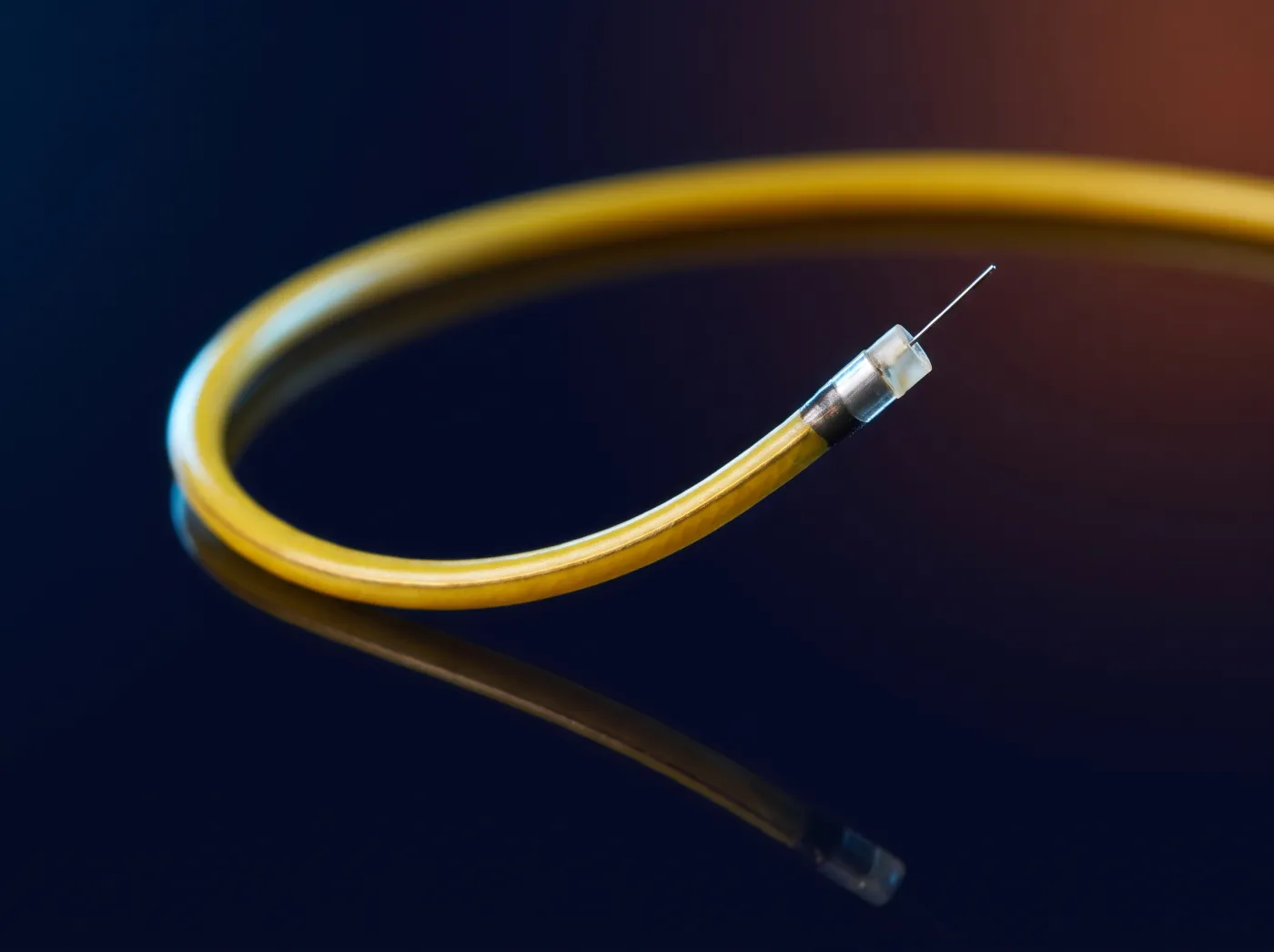
The catheters other shops call "complex."
Combination devices are common. Most programs mix two or three of these.
Steerable catheters
Deflectable shafts and tips for reaching difficult anatomy.
Ablation: RF, cryo and PFA
Ablation catheters, plus RF and PFA ablation controllers on the electronics side.
Balloon catheters
Balloon designs and the bonding and assembly they need.
Multi-lumen catheters
Multi-lumen shafts for fluids, wires and sensors in one device.
Catheter-based systems
Complex catheter systems across cardiac, neuro and novel therapies.
First-of-their-kind devices
New mechanisms and exploratory platforms with no predicate to copy.
Reflow to tipping, without leaving the building.
Catheter builds run on equipment we own, with capacity held for prototyping. Need components? Our partners at 3TG Tech stock heat shrink, liners and marker bands.
- Catheter reflow and shaping
- Catheter tipping
- Braiding
- Coil winding
- Laser welding
- Surface treatment and etching
- Advanced device assembly
- Class VII cleanroom builds
Test in tissue, not just on paper.
Simulated use and pre-clinical testing run alongside the builds, so design decisions come from data.
- Fatigue and stiffness
- Device characterization
- Anatomical model testing
- Perfused heart testing
- Fresh tissue testing
- Pre-clinical animal models
- Custom device-specific tests
- Statistical modeling
Catheter projects, answered.
What types of catheters do you design?
Steerable, ablation (RF, cryo and pulsed field), balloon and multi-lumen catheters, and combinations of them, across cardiac, neuro and novel therapy markets.
Do you build catheter prototypes in-house?
Yes. Reflow and shaping, tipping, braiding, coil winding, laser welding and surface preparation all happen at Proton, with capacity dedicated to prototyping.
How do you test catheter designs?
Fatigue and stiffness, device characterization and anatomical model testing on the bench, then perfused heart, fresh tissue and animal studies before clinical use.
Can you move from prototypes to pilot builds?
Yes. Process development, custom work cells and Class VII cleanroom builds are here for when the design is ready to scale.
What would your catheter look like three builds from now?
Tell us where the design is today. An engineer will follow up within one business day.
Start a catheter project